A Look At The Secrets Of Robot Vacuum With Lidar And Camera
How a Robot Vacuum With Lidar and Camera Navigates Many robot vacuums are unable to navigate around obstacles. This can be frustrating, especially if it leads to the apocalypse. A robot vacuum with LiDAR navigation and gyroscopes does better at creating an accurate map and navigating around obstacles. They are generally more expensive than other models. LiDAR A robot vacuum equipped with lidar can create detailed maps of your home. This lets it more efficiently navigate around furniture and other objects and to avoid obstacles that block its route. Lidar is a key feature of the top robotic vacuums which are typically more expensive than their budget counterparts. A LiDAR is basically spinning light. The sensor measures the time that laser beams take to reflect back on itself. It does this thousands of times every second. It can then determine the exact distance of the robot from any nearby object to a centimeter. 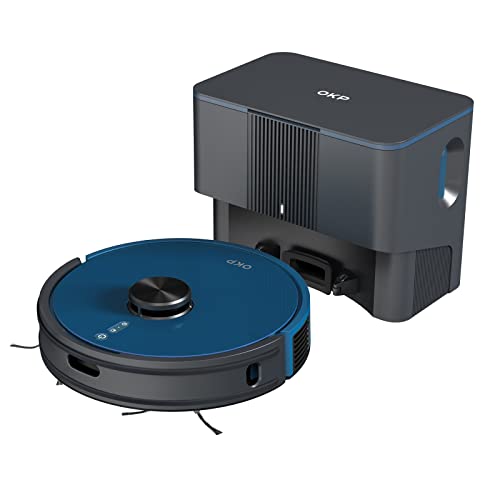 The sensor works together with other sensors, like cameras and gyroscopes, in order to create a complete image of the environment. Cameras provide visual data, while the laser scan captures information about the shape and position of objects. Gyroscopes are used to determine the direction and orientation of the robot. Many robots also come with drop detectors. These are activated whenever the robot approaches a steep threshold or any other obstacle that it isn't able to over without causing damage or becoming stuck. Some also have wall sensors that stop them from pinging away at walls or furniture pieces and generating a lot noise or potentially damaging them. Another advantage of a robot with lidar is the ability to alter its navigation in response to changes in environment. This could be due to the furniture is brought into the room, or due to everyday changes such as children transferring their toys around the home. Unlike budget robots that use bump sensors to determine their way, more premium models that have lidar sensors are capable of analyzing these changes in real time and thus adjust the speed and method of their cleaning accordingly. The best robots that have lidar sensors are able to detect a change in flooring, such as when a robot moves from carpet to hard flooring. These are all useful features that make robots equipped with lidar more efficient than cheaper budget cousins who only make use of bump sensors to avoid obstacles. Gyroscope The majority of robot vacuums are fitted with sensors that help them navigate. Whether they're using 3D laser or structured light navigation, binocular or monocular vision-based obstacle avoidance or simple gyroscope, these sensors allow the robot to build maps of your home and eliminate obstacles that are blocking the path of cleaning. This type of advanced obstacle detection can assist your robot to avoid cords, area carpets, shoes, or furniture legs. Sensors like gyroscopes are used to measure the movement of the robot's wheels. They are also used to determine the relative location of a device within aircraft, ships, and mobile phones. These sensors work with other sensors such as LiDAR and cameras to help the robot map the area and navigate effectively. Based on the technology and price point of your robot vacuum, the navigation system may vary greatly. Some models, such as the Dreame F9, feature a combination of LiDAR and camera to create a detailed map of your home and eliminate obstacles that could be in its way. LiDAR navigation is quicker and more accurate than other sensors and allows you to create virtual boundaries for your robot, and also set no-go zones in your home. Camera-based navigation is slow and requires an illumination source, which can raise privacy concerns for some users. These systems may also be more susceptible to interference by reflective surfaces as well as complex room layouts. Luckily, most robot vacuums come with multiple sensors to make up the limitations. They usually also have drop detectors that prevent the robot from falling down a stairwell or other large variations between levels. This is essential for homes with multiple levels, or for families with children or pets that could be injured by falling from a high-offset or open window. For this reason, it is recommended to select a home that incorporates multiple types of sensors instead of relying solely on one type of navigation system. SLAM A robot vacuum with SLAM navigation can make an precise map of its surroundings. This allows the device to navigate more efficiently and avoid scratching furniture or scuffing walls, as well as detecting and avoiding obstacles. Most models that use SLAM have an app which allows users to set boundaries for “no-go zones” for the robot. Unlike bump sensors, which alert the robot when it encounters obstacles, SLAM provides an accurate picture of space by combining information from various sources. Utilizing cameras to determine the shape and location of objects, gyroscopes that allow movement tracking and lidars for distance measurement, the SLAM system allows the robot to update its maps of the surrounding environment and to comprehend the surroundings. This technology is often used in conjunction with other sensors such as gyroscopes to track rotation and light sensors to determine the number of times the wheel turns. Gyroscopes can be an excellent alternative to robotics. They are more efficient in detecting large objects as well as determining the distance between the robot and wall surfaces than bump sensors. They are also less expensive than laser or camera sensor. Most inexpensive robots are very prone to running into furniture and walls, making lots of noise, and possibly damaging your home. Utilizing gyroscopes and sensors is the most effective way to keep the devices from damaging your home and costing you cash on costly replacement parts. A majority of people who are considering buying a robotic vacuum cleaner think that better navigation is an essential feature. But it's important to balance this against other features you may want in the robot vacuum. Look for a model that does not have a camera if you are concerned with the amount of data your device gathers about your home and whether or not it's being exploited, or sold to a third party. Most companies will state their privacy policies and the manner in which images that are collected by the device are utilized. It is best to read this prior to buying the robot vacuum that comes equipped with cameras. Obstacle Avoidance The best robots equipped with obstacle avoidance are able to detect even the smallest objects on your floor including toys and shoes to socks and phone cords. They also prevent getting caught in wires and other obstacles that are difficult to maneuver, making them less likely to bump into furniture and cause damage. The most effective robot vacuums that have obstacle avoidance avoid objects so well in the room that you don't need to clean up before they run. This type of smart navigation isn't limited to robot vacuums as well as in self-driving cars as well as virtual video games in virtual reality. This powerful tool can help robots navigate complex environments, make an precise maps and select efficient routes to clean. The technology is amazing, but it is also costly. This is why the most sophisticated and efficient robots that use this technology tend to be more premium (and more expensive) than their less sophisticated counterparts. Despite the additional cost, there are still plenty of affordable robots with intelligent navigation. These robots are usually equipped with sensor mapping. As opposed to laser navigation which is faster and able to capture more details however, sensor mapping is a bit slower. It is more precise, and can work in low-light conditions. It can also make the robot cleaner more tolerant to changes in surfaces textures and heights. This is helpful for getting around obstacles. www.robotvacuummops.com aid in navigation and create a basic map of the surroundings. These sensors, which function much like the rotation sensors on a cell phone or laptop, are able to provide the robot a more complete cache of information about the layout of your home. Although gyroscope navigation isn't as efficient as systems that rely on Lidar and SLAM but it can be a great choice for budget-minded robot shoppers. The way the robot vacuum could have a significant impact on the speed and quality of the cleaning it performs. The most efficient robots can sweep the entire floor in a typical-sized home in a couple of passes and without missing any places. The decision on whether or not you want the most efficient navigation is contingent upon your priorities, as well as whether you're comfortable with the sound of the robot bumping into walls, and occasionally leaving a scratch mark on the leg of a chair.